

Takopi’s Original Sin opens in Japanese cinemas. How do six episodes sound as one film?
Takopi’s Original Sin: Thank You, See You Tomorrow opens in Japanese cinemas on November 27. The film re-edits all six episodes of the anime that began streaming in June 2025 and adds new scenes. Shinya Iino directed the adaptation of Taizan 5’s manga, with music by Yoshiaki Fujisawa. The story follows a visitor who wants to spread happiness and children who struggle to explain what is happening to them. This time their story plays through in one sitting. [1] [2]

The gap between offering help and being heard
In the official synopsis, Shizuka helps Takopi after the alien arrives on Earth. Takopi tries to return the kindness with gadgets meant to make her smile. The effort draws the children into further trouble. That gap between the visitor’s confidence and what the children are able to say gives the story some of its tension, even before a gadget comes into play. [2]
Kurumi Mamiya voices Takopi, Reina Ueda plays Shizuka, and Konomi Kohara plays Marina. A useful detail to listen for in this kind of exchange is how soon a reply follows an enthusiastic offer. A child’s hesitation can carry more information than a longer explanation. If that pause is shortened, the offer may seem easier to accept than the character’s situation suggests. [1]
Where does the pause between episodes go?
An episode ending makes room to stop, and a viewer can come back much later. A fade, an end theme and the first sounds of the following episode can all change how far apart two scenes feel. When a theatrical edit moves through the material in one session, the response in one scene may still be in the audience’s ear as the next scene begins.
Consider two ways of joining an unsettled scene to a quieter one. An editor can let the first cue finish and leave a short breath before the new line. A different edit can bring in the sound of the next location before the picture changes. The first gives viewers time to reorient themselves. The second can carry an unresolved concern into the next exchange. The useful question is what the audience should still be thinking about when someone speaks again.
A new song changes what the ending has room to do
On October 23, TBS released a new trailer and artwork by character designer Keita Nagahara. It also announced a new film theme, “らびゅー,” written by Tele. Iino pointed to the experience of watching with a cinema’s screen and sound. The announcement establishes the new material and the song. The transitions in the finished film are something viewers can listen for at the screening. [3] [1]
When a closing song follows one continuous cut, the seconds before it starts matter. A short pause after the final performance lets the audience carry the character’s last response into the song. An earlier cue can begin shaping how that response is understood. Either approach can give Takopi’s earnestness a different emotional weight.
An animation dubbing test for a change in mood
Beijing CMV Studio contributed dubbing to the animation Jia Wu Shen. To test a similar move from ease to wariness, pick a short exchange with a partner’s response and have the performers try two pause lengths while keeping the same motivation.
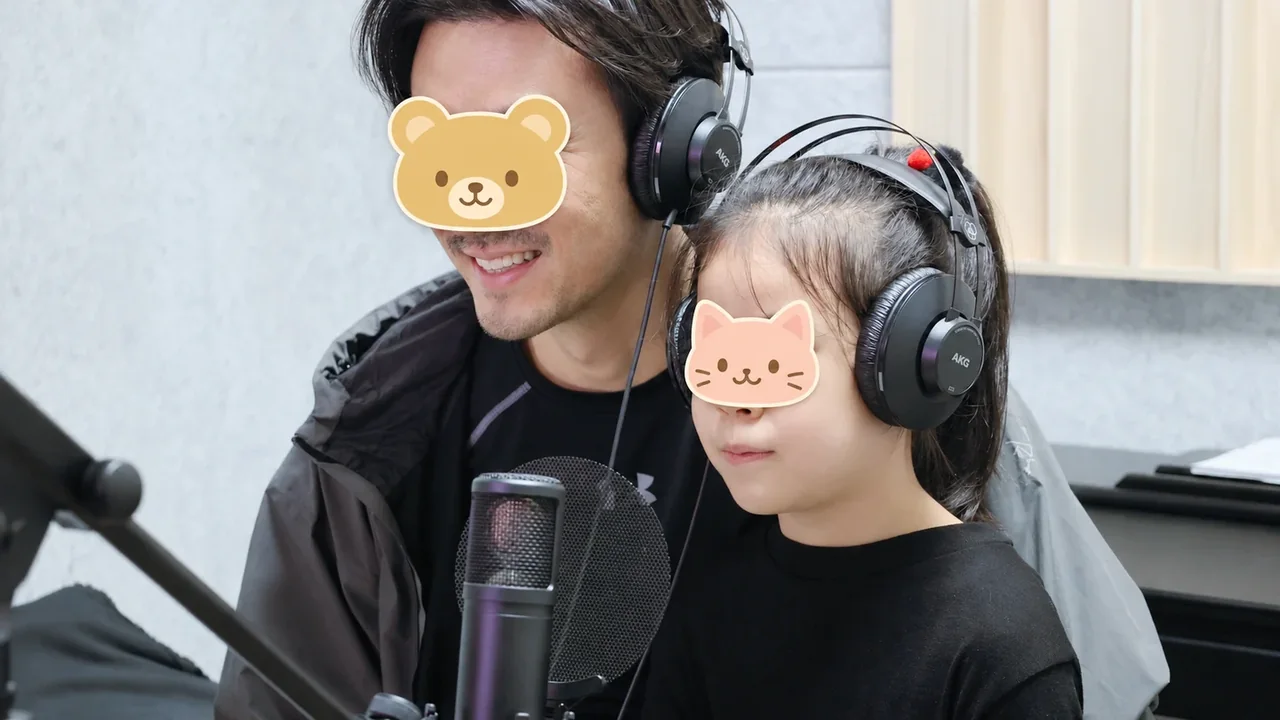
Place both takes next to the opening line of the following scene. Ask listeners at which point the character starts to reconsider what they have heard. That answer gives the director something specific to work with at the next recording session.
Keep the other character’s reply on a separate track and use the same delivery in both passes. That makes it easier to hear what the changed pause is doing. Once the director chooses a take, mark the reaction in the timeline so it can be found after a recut.