

Netflix’s Steps Voice Cast and the Timing of Animated Comedy Dubs
Netflix released Steps on November 20, with Ali Wong voicing Cinderella’s stepsister Lilith. Putting Lilith in charge of disrupting the ball raises a question familiar to dubbing directors: when the action is already funny, should the character speak right away or give the audience a beat?
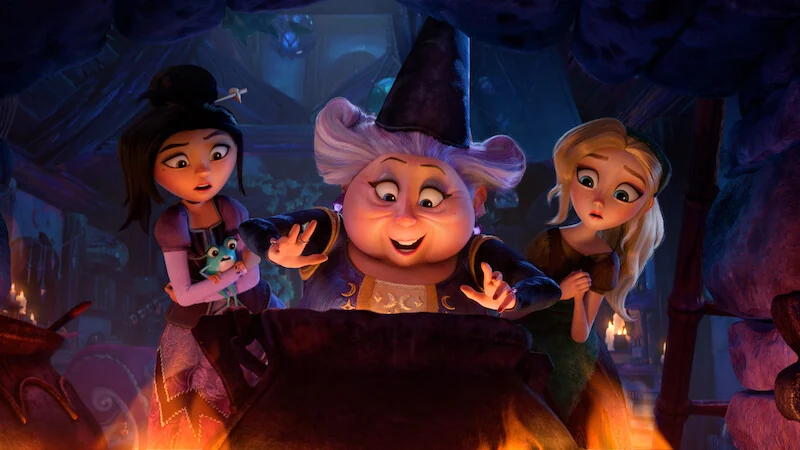
Who voices the leads in the original English version of Steps?
Steps premiered on Netflix on November 20. It reframes Cinderella’s story through her stepsister Lilith, voiced by Ali Wong. Stephanie Hsu voices Margot, Amanda Seyfried voices Cinderella, and Bette Midler plays the Fairy Godmother. In Netflix’s synopsis, Lilith takes the wand and upends the royal ball, sending the fairy tale off course. The comedy has room to breathe because the characters want different things from the same scene.
Listen for who sets the pace
In the official trailer, listen for what happens when a situation changes suddenly. Does the next character rush to explain, try to sound composed, or wait for someone else to speak? For a dubbing director, the practical question is when the expression should carry the beat and when the next line should move it forward.
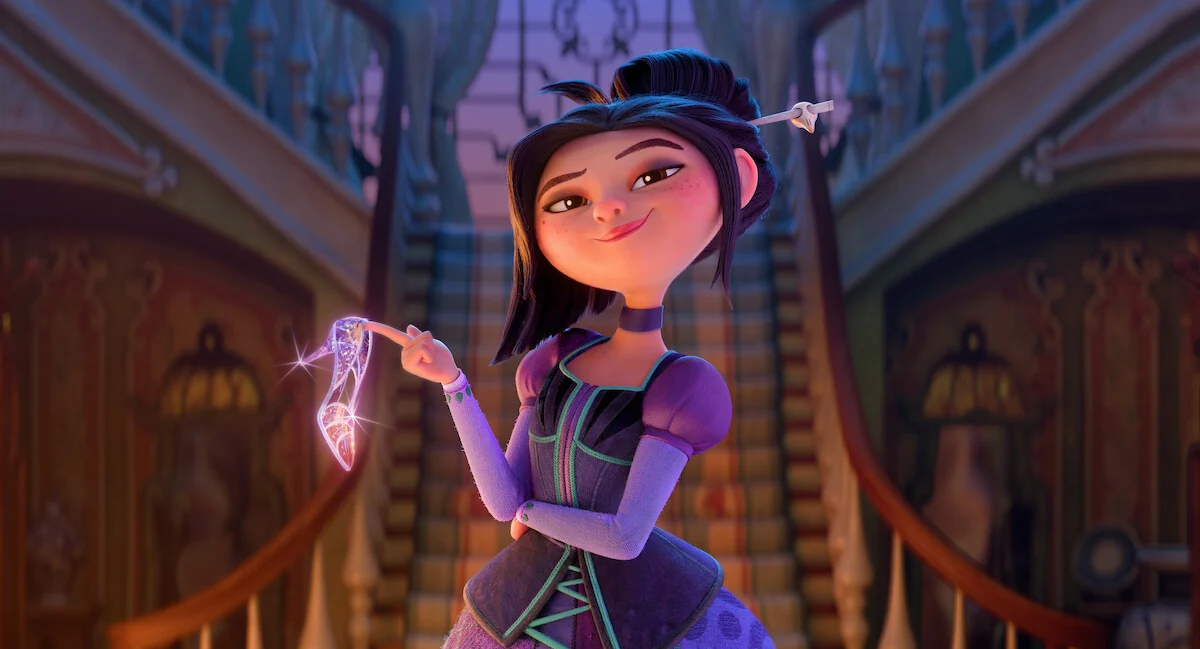
Try three takes against the same shot
Imagine a character who insists everything is under control just before dropping a prop. In take one, have them speak immediately and see whether the panic helps. In take two, wait just long enough for the audience to register the drop. In take three, try a small vocal reaction and let the other character take the next line.
Compare the reads against the same edit and at the same level, with the same music and effects. Check which take keeps the key word audible, makes sense for the character, and lands on the right shot. When adapting dialogue into another language, listen again for lines that run long and eat into the space for a look or reaction.
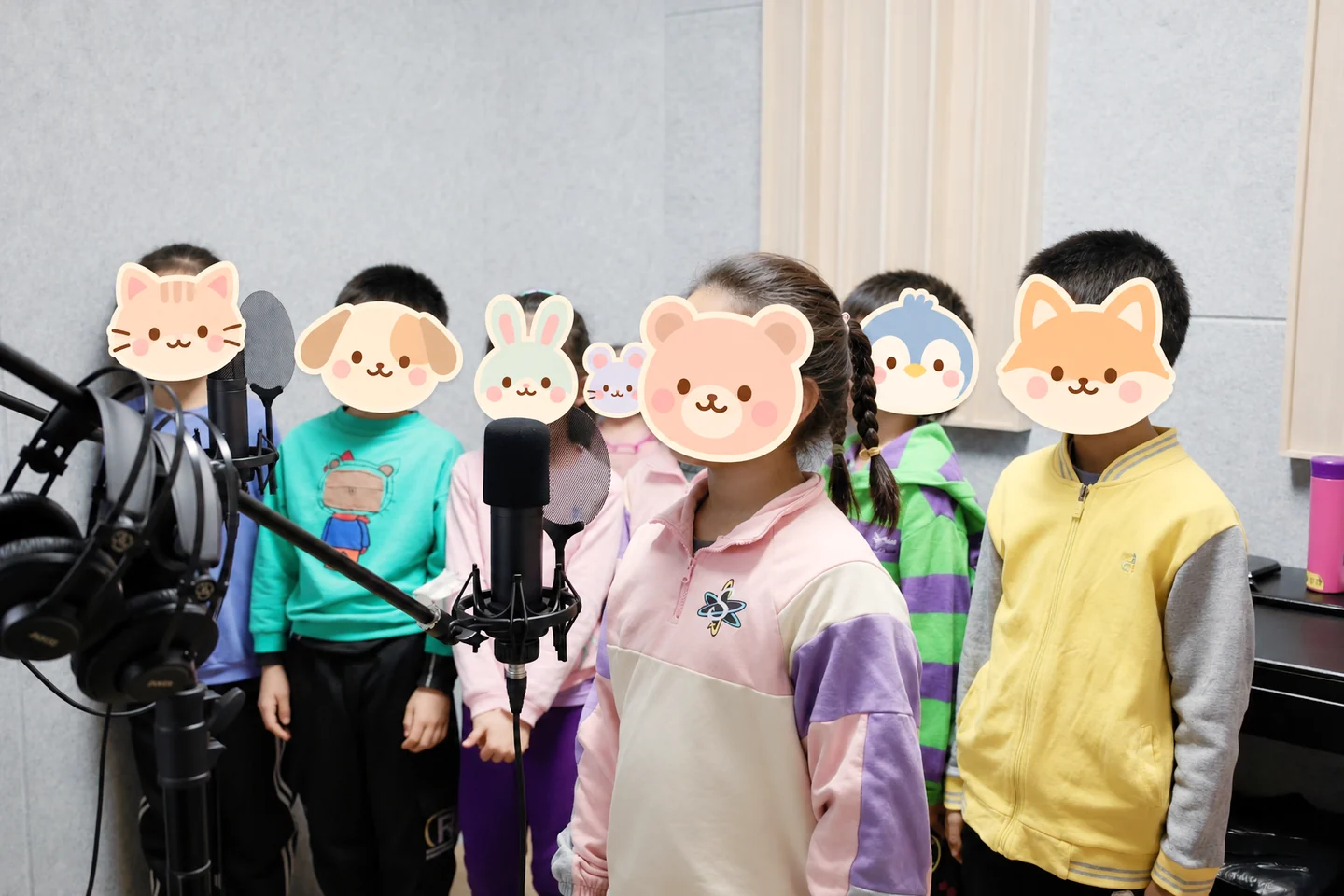
Choose a sample that lets you hear the difference
Send a scene where two characters interrupt each other and one where the action comes before the line. Mark the visual beat the joke depends on. Review each take in the mix and with dialogue easy to isolate, so you can hear whether the difference comes from the performance, edit, or mix.