

Chi Xie Ru Song Returns for Season 11. How Does an AI Microdrama Tell Song History Through an Ensemble?
Season 11 of the AI microdrama Chi Xie Ru Song went online on November 15. In a November 22 interview with Tide News, executive producer and head writer Li Chaohua described its closing segment, in which Song historian Wu Zhengqiang appears in conversation with characters from the drama. The series begins with five people from the present finding themselves in the Northern Song. Its closing conversation gives viewers a chance to follow questions raised by their choices into a discussion of the period itself. [1]
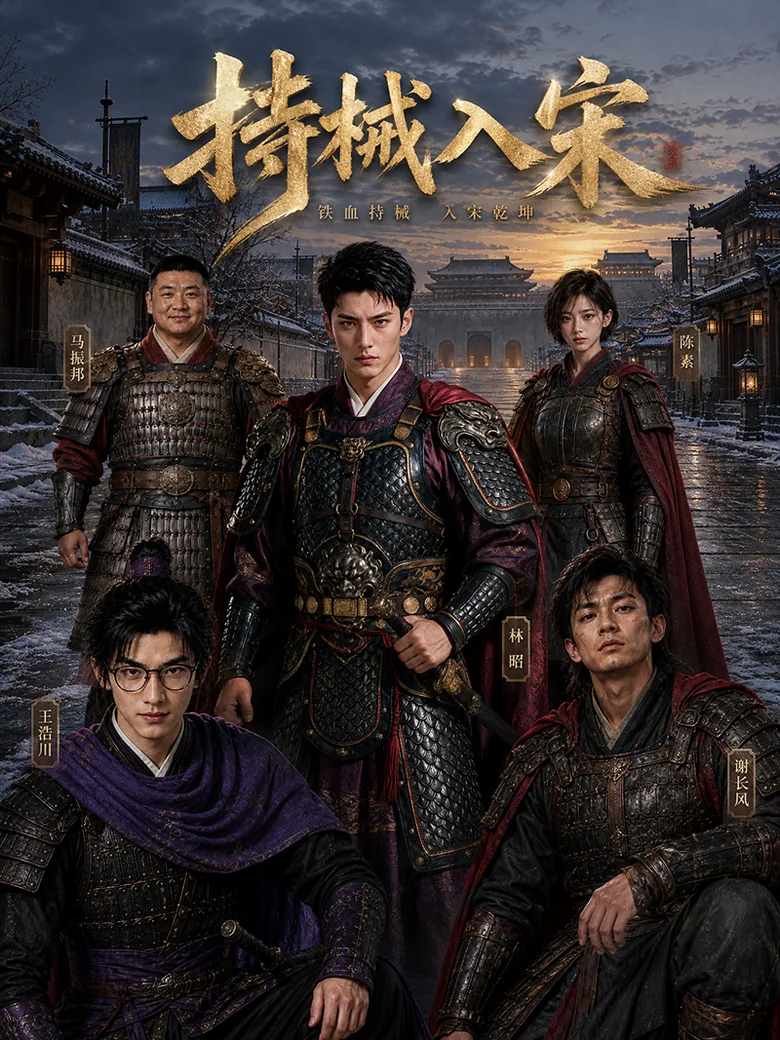
Why does a story about five time travelers start with survival?
Chief planner Zhang Hansheng found the original novel in a rights catalog. The team saw the possibility of an ensemble. The travelers know something of the future, but still have to live within local rules. In a Xinhua interview, director He Xiushan pointed to the care the novel put into offices, institutions and dialogue. Travel papers, supplies and communication belong in the story because they shape what characters can do next. [2] [1]
Those details give a viewer reasons to pay attention. To get somewhere, the characters must establish whether they can move freely. Whether a message arrives in time shapes what people elsewhere are able to decide. Five travelers may be facing the same moment in history, but they can act on different information. An audience can follow those differences even when characters go separate ways across episodes. [2] [1]
Why bring a historian into the season’s closing scene?
The producer said the team works from the original book and historical material and also listens to viewers who know Song history. Li Qingzhao offered a specific design challenge. The creators knew audiences already had an impression of her. They looked to historical paintings for qualities they could bring to her appearance in a scene set in Qiantang. That describes where the design drew inspiration. The dramatized encounter belongs to the adaptation. [1]
In the season’s closing segment, Wu Zhengqiang and characters discuss problems facing the Northern Song frontier. Viewers have already followed a choice in the story and can now revisit the circumstances around it through a historical discussion. Giving the historian a distinct moment also helps the audience identify when it is watching drama and when it is hearing an interpretation of the period. [1]
How a team in different cities connects its story units
Xinhua reported a core team of six and more than thirty contributors overall. They worked together online from different cities. Li told Tide News that core creators typically wrote and directed separate story units, while he allocated work and checked how those units joined. He also described the need for a returning character to remain recognizable after dozens of episodes away. [2] [1]
An individual unit can move at its own pace. At the next handoff, the audience still needs to remember who knows whom, what each person has found out and which earlier choices still matter. Keeping a record of that context also gives the team something to check when it changes a shot or adds a scene. [1]
Keep a voice reference for lines recorded across batches
For a live-action or AI-animated short drama, use one episode to test an initial read and a pickup. Save an everyday line and an emotional turn, with the scene relationship and the timecode. Listen to the pickup from the preceding line. The form of address, rhythm and change in feeling should all make sense in sequence.
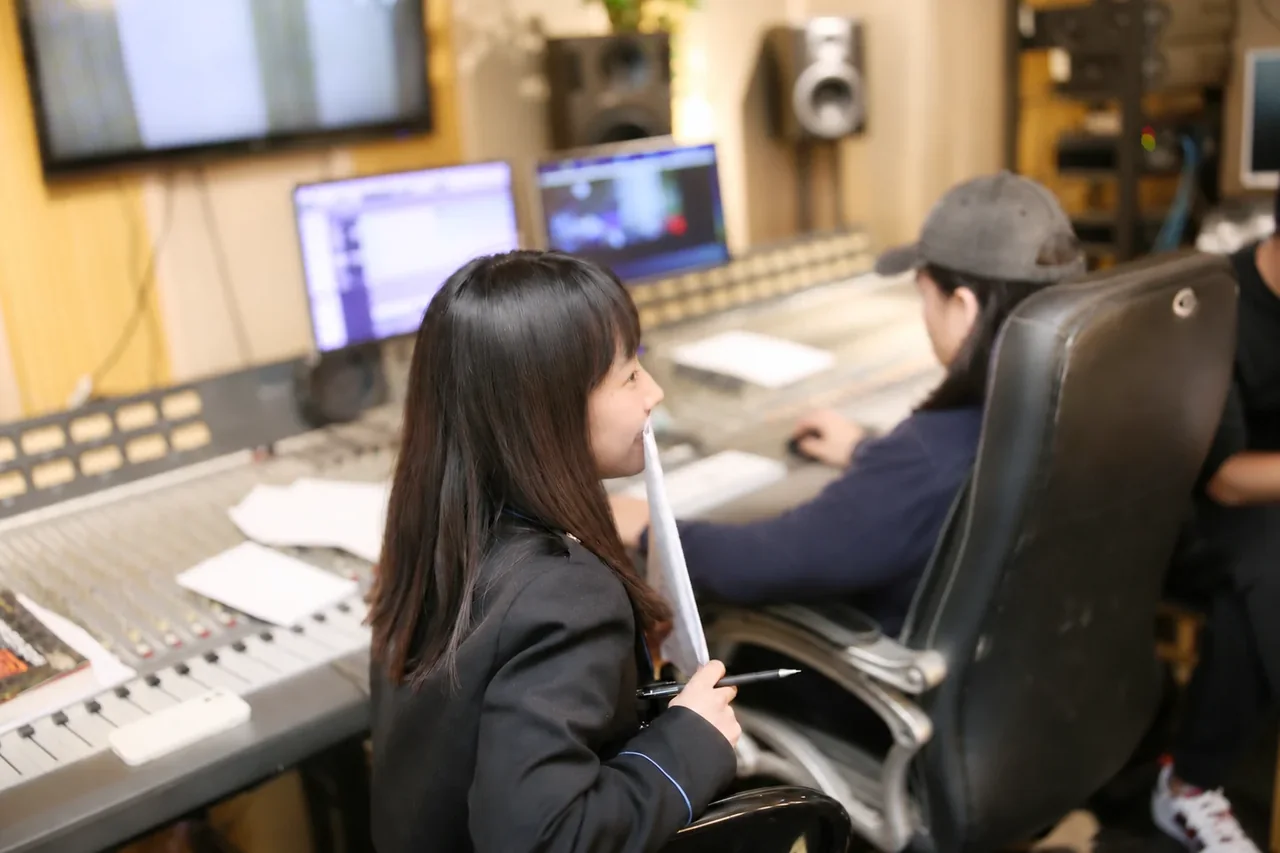
For recordings split across locations, keep the approved read with its picture version. If the script changes, a short note on why it changed helps the next team make the right performance adjustment.
CMV Studio provides human dubbing, music, sound effects and mixing for both formats. A short-drama pilot usually starts with one episode. In its portfolio, a poster for Lian Qi Bai Wan Ceng Cong Kan Shu Kai Shi credits the studio with dubbing and mixing.