

Arkheron Early Access: Can You Hear Whether an Ability Worked?
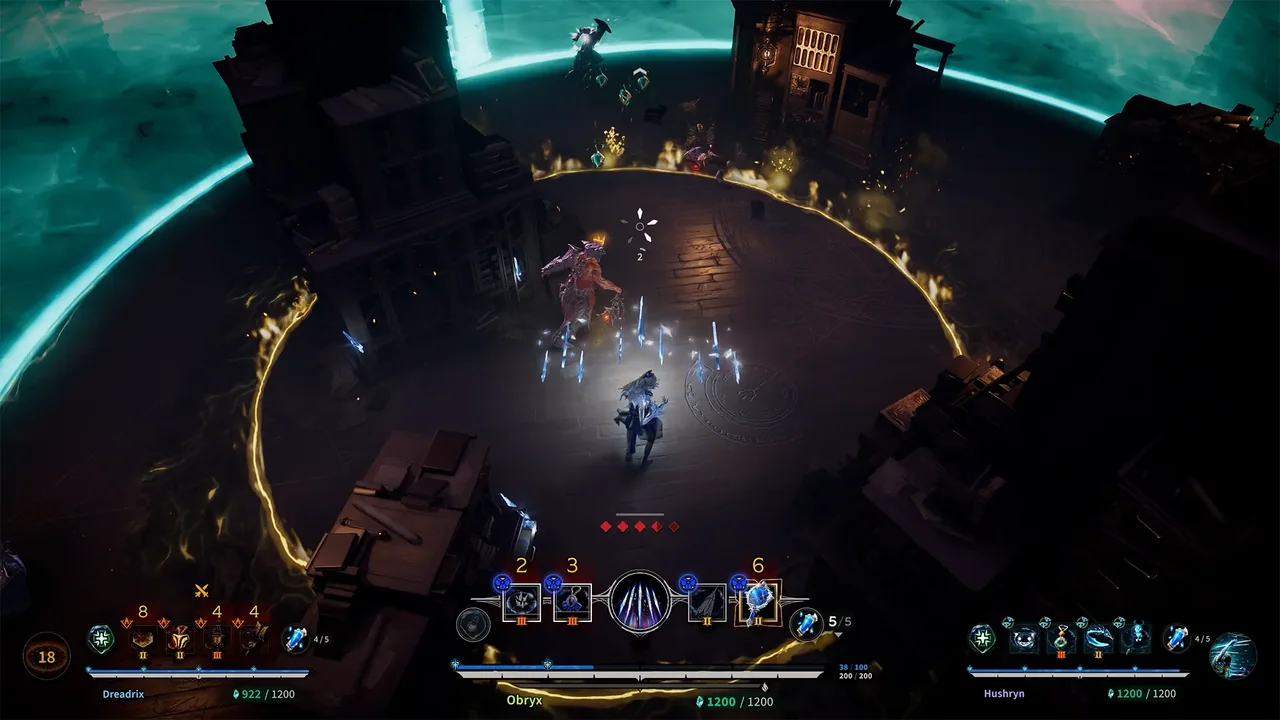
Bonfire Studios launched Arkheron in Early Access on November 27 on Steam, PlayStation 5, and Xbox Series X|S. Teams of three fight their way up a tower, picking up equipment that can change how they play midway through a match. The launch patch notes describe several changes to sound. Some help players recognize what just happened after pressing a button. Others change what players can hear once a fight gets crowded. [1] [2] [3]
Equipment changes what a team needs to listen for
In Arkheron, finding equipment is part of the match. A new item brings different abilities, which can change where someone needs to stand and what teammates expect them to do next. The opponent who kept their distance on one floor may have better reasons to close the gap on the next. What you learn from the start of a match only goes so far. [2]
The overhead view gives players information about the space around them. They still have to pay attention to teammates, routes through the room, and the status of their abilities. Bonfire’s store description specifically highlights reading danger through sound and positioning before it comes into view. In a match where builds can change, that can help a player decide when to look away from the fight in front of them. [2]
A dodge chain needs feedback at the moment of input
The launch update adds a timing requirement to chained dodges. A standard dodge covers three meters. The second can cover four and a half if it is timed correctly, and the third can reach six. Bonfire added animation, effects, and sound to the chain. Three successful inputs can take a character thirteen and a half meters, compared with nine meters for three standard dodges. [3]
The distinction matters during a fight and while practicing. In combat a player needs to know where they are about to end up. In training they need to recognize which input landed inside the timing window before they try again. Distance can be hard to estimate when the camera moves or when there is little on screen to judge it against. Feedback synchronized with the action gives the player another way to tell whether the timing worked.
Why a failed input can need its own sound
The patch adds a UI cue when a player tries to use an ability that has been silenced. It also raises the level of the cooldown cue. A silenced player needs to understand why a command produced no action. A player waiting on cooldown needs to follow a timing state. Both involve an ability icon, but they give the player different information about what to do next. [3]
When several teams are fighting, a cue that is clear in isolation can disappear into the mix. The developer lowered enemy footsteps during beacon fights and adjusted the balance of cast lines, combat callouts, and banter. Footsteps can carry valuable information before an encounter. During a beacon fight, another sound may be more useful. The patch offers a concrete example of how sound priorities can change over the course of one match. [3]
Test the cues inside an encounter
For a similar project, use the same footage to compare a successful cast, an interruption, and an unavailable ability. Then bring back the other skills, teammate callouts, and music. Ask a listener what happened and when they knew. The answer identifies which cue to revisit more directly than a list of preferred sound effects does.
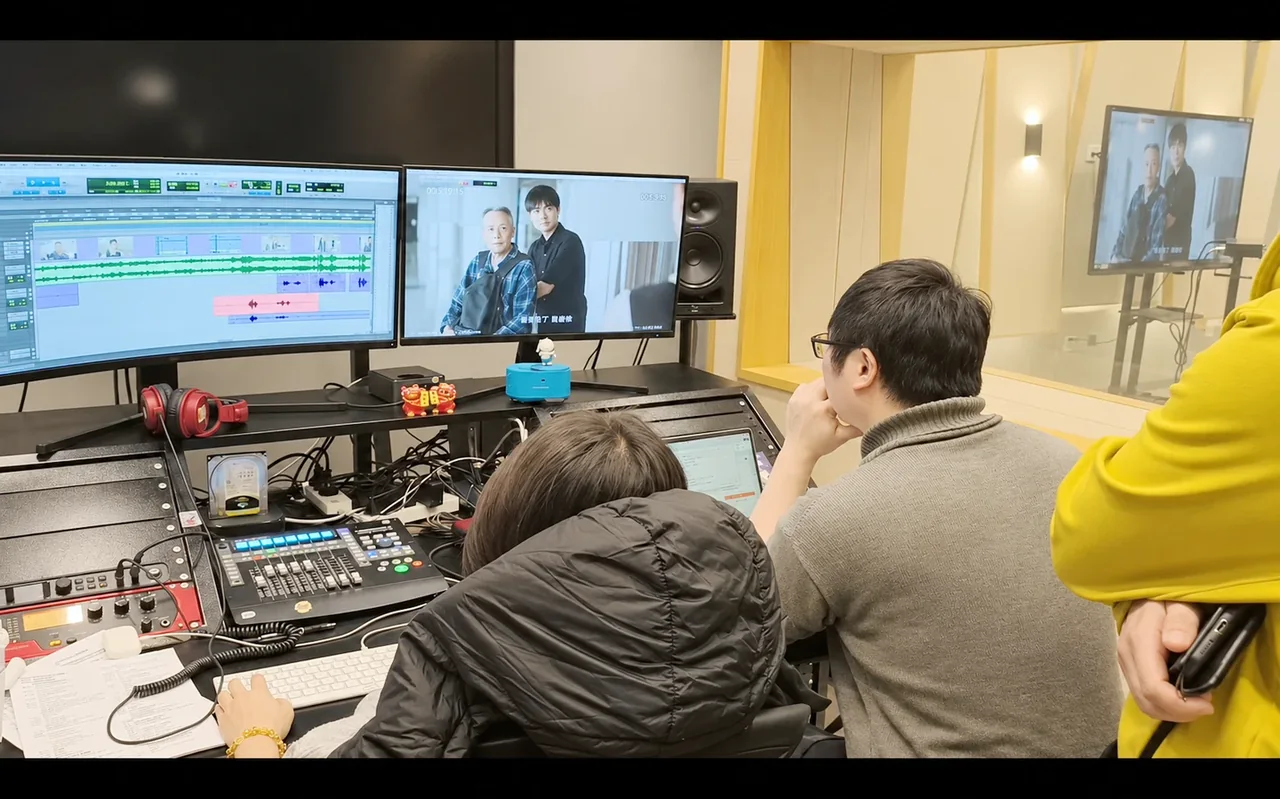
Beijing CMV Studio provides game voice recording and audio post-production. A test session can pair routine combat lines with higher-priority calls and skill cues, then audition them together. That makes it possible to decide which lines need shorter reads, which cues need room in the mix, and what needs to stay consistent in subsequent sessions.
Keep the trigger conditions and timecodes with the sample so revised cues can be tested in the same encounter.