

AI Voice Rights in Chinese Short Dramas: A Pre-Delivery Checklist
China’s November microdrama enforcement announcement names unauthorized voice use as a production concern. For producers, the first check is practical: does your recording agreement cover what post-production intends to do, including using a performer’s samples to generate additional dialogue?
What China’s microdrama campaign covers
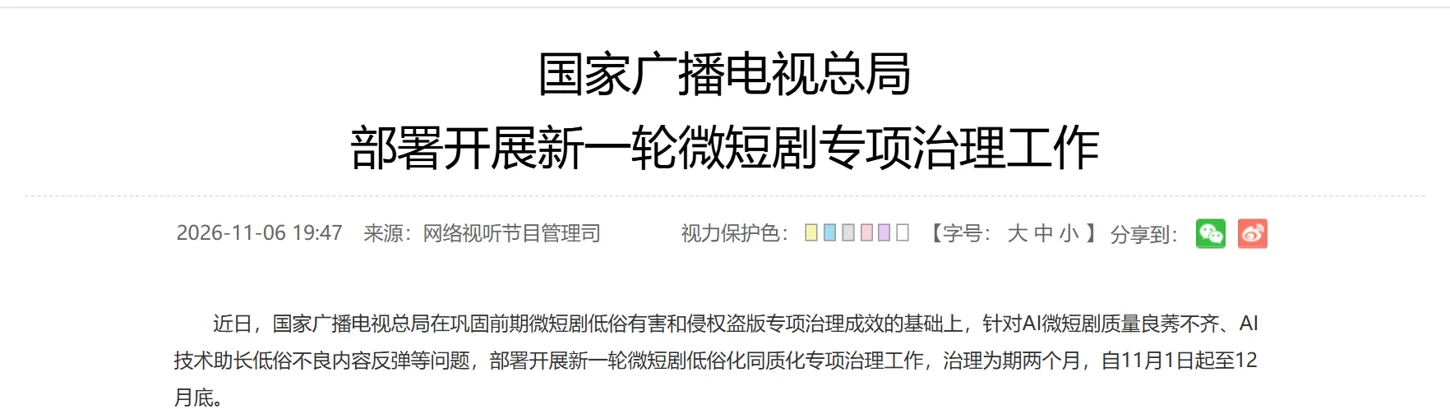
On November 6, China’s National Radio and Television Administration announced a new microdrama enforcement campaign running from November 1 through the end of December 2026. Unauthorized use of faces and voices is among the production concerns named in the announcement. A useful review starts by tracing each voice back to its source and matching the proposed treatment to its permission.
Check the rights by source
Human recordings. Check the permitted project, uses, platforms, and term. List episodes, trailers, paid social edits, international versions, and sequels separately. Confirm permission specifically before using samples to train a voice model, clone a performer’s voice, or generate new lines.
Imitations and synthetic voices. Record the sample source, tool, and voice preset, and keep the relevant permissions and commercial terms. If listeners could identify a specific person in the result, flag it for project review. China’s court case database includes a decision addressing identifiability in AI-generated speech.
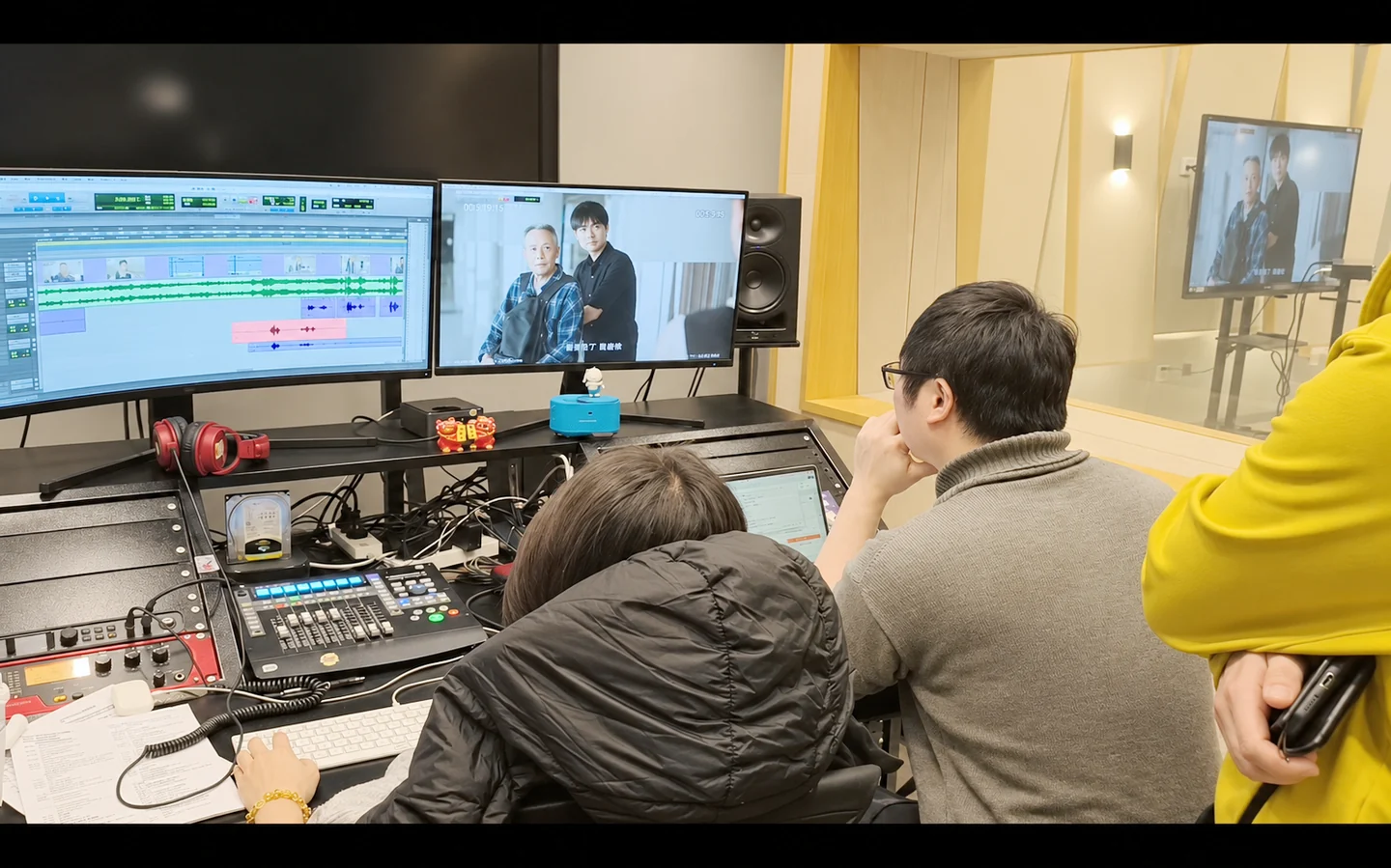
Music and effects. Include title music, library cues, action effects, and scratch tracks in the review. Check the permitted uses for the episodes and promotional cuts, and make sure temporary references are cleared or replaced before export.
Verify labeling separately
Article 34 of China’s Microdrama Development and Management Measures, effective September 1, 2026, requires a prominent notice in each episode of microdramas generated or produced with AI in accordance with applicable rules. Have production, post, and distribution agree on the labeling requirements for each version. Record the labeling decision alongside the rights review.
Carry one clearance log through delivery
Record the asset or character, source and rights holder, permitted uses, permitted processing, where the supporting document is stored, and who owns the check. Hold any track with unclear provenance or scope until it’s cleared or replaced.
If you need human pickups or recasting, start with one locked episode. Use it to identify which lines need to be re-recorded and which cues or effects need replacing before you sign off on the sound for the series.